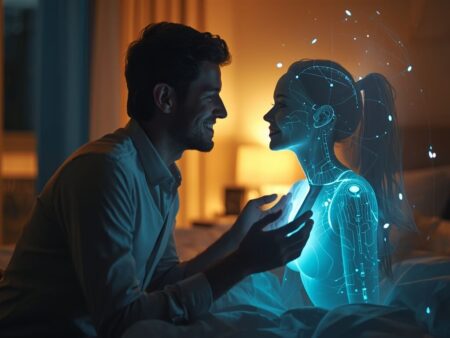
There’s something genuinely compelling about starting with a blank slate and building the companion you actually want. Not settling for a preset character, not scrolling through a catalog hoping something close enough shows up, but making real decisions about how your AI girlfriend looks, how she carries herself, and how that visual identity aligns with the personality she’ll bring to every conversation.
This is one of the clearest advantages AI companion platforms have over every other form of virtual relationship. Appearance customization in modern AI girlfriend apps has evolved well beyond sliding a few sliders and calling it done. Today’s platforms offer layered control over facial features, body type, hair, clothing, aesthetic style, and increasingly, the way voice and personality align with visual identity.
Whether someone is jumping into their first AI companion experience and doesn’t know where to start, or they’ve been using a platform for months and want to understand how to get more out of its customization tools, this guide covers the full picture. What matters, what doesn’t, which platforms do it best, and how to avoid the most common mistakes that leave a companion feeling generic instead of genuinely personal.
For a broader starting point, the guide covers the top platforms currently available across all major categories.
Why Appearance Customization Matters in AI Companions
It might seem like appearance is secondary to conversation quality, and for some users, it genuinely is. But for most people, visual presentation plays a more significant role in the overall companion experience than it initially appears to, for a few interconnected reasons.
The most straightforward is emotional connection. Human beings are wired to build attachment through appearance as much as through personality. When an AI companion looks the way a user imagined, or better yet, looks exactly how they designed her, every subsequent interaction carries a sense of investment that a generic preset character simply doesn’t generate. The companion feels like she belongs to that user’s experience rather than being borrowed from a catalog.
There’s also the immersion factor. AI girlfriend chat is most engaging when the visual and conversational elements reinforce each other. A companion whose appearance matches her personality archetype — a mysterious, dark-aesthetic companion who looks the part, for instance, creates a more cohesive experience than one where appearance and personality feel disconnected. Immersion is fragile, and visual consistency is one of the things that sustains it.
Finally, there’s the more personal matter of preference and fantasy fulfillment. AI companion platforms exist, in part, to provide experiences that aren’t available elsewhere, and appearance customization is central to that. The ability to design an AI girlfriend’s look rather than accepting what’s available is one of the defining features of the medium.
Key Features You Can Customize on AI Girlfriend Platforms
Modern AI girlfriend platforms vary significantly in the depth of customization they offer, but across the best options, these are the core elements that most platforms give users meaningful control over.
Facial Features
Face is the most identity-defining element of any character, and the better platforms treat it accordingly. Users can typically configure eye shape, color, and size; lip fullness and expression tendency; face structure including jaw shape, cheekbone prominence, and overall facial width; skin tone across a range from light to deep; and the presence or absence of features like freckles, beauty marks, or dimples.
Some platforms go further and allow specific aesthetic influences, selecting whether a companion has an “innocent” or “sultry” default expression, or whether her features lean toward a Western or East Asian aesthetic. These aren’t always labeled explicitly, but they’re present in the choices platforms make available.
On AI companion platforms supporting realistic-style visuals, facial feature customization is where the visual quality difference between platforms becomes most apparent. The leading platforms produce photorealistic faces that hold up across multiple generated images; less developed platforms struggle with consistency.
Hair Style, Color, and Length
Hair is one of the most expressive elements of visual identity, and most platforms give it substantial attention in their customization systems. Options typically include length (from pixie cut to long and flowing), style (straight, wavy, curly, braided, updo variants), and a full color palette covering natural shades through to vivid fantasy colors like pink, blue, or silver.
Some platforms allow more specific styling choices — ponytail placement, whether hair falls over one shoulder, whether bangs are present and how they sit. These details feel minor in isolation but contribute significantly to the overall distinctiveness of the companion.
Body Type and Proportions
Platforms vary considerably in how they handle body type customization. Some offer detailed sliders for height, build, and specific proportions; others provide archetype selections (petite, athletic, curvy, etc.) that the platform’s image generation engine interprets and applies consistently. Both approaches have merits, archetype selection tends to produce more visually consistent results across generated images, while direct proportion control gives more specific outcomes.
Body type customization is one area where the realistic-style and anime-style visual tracks of most platforms diverge meaningfully. Anime-style companions tend to have more stylized proportions available, while realistic-style companions are constrained by what looks plausible in photographic rendering.
Clothing and Personal Style
Clothing and aesthetic style might be the most underappreciated element of AI girlfriend customization. Beyond simply choosing an outfit, this setting shapes the entire mood of interactions and the generated images that the platform produces. Most platforms offer style categories including casual, professional, sporty, fantasy, gothic, elegant, streetwear, and NSFW/lingerie options on platforms that support adult content.
Some platforms allow users to set a default aesthetic style that the AI applies across all generated images — meaning every time the companion sends a selfie or appears in a generated scene, she’s consistent with the visual identity her user established. Others leave style as a per-image prompt, which gives more flexibility but requires more active management.
Voice and Tone
On platforms that support voice interaction, voice selection is part of the customization system. Most platforms offer a range of preset voices varying by pitch, warmth, and speaking pace. Higher-tier platforms like Secret Desires AI extend this to voice cloning, allowing users to specify a voice type rather than selecting from presets. A level of audio personalization that makes a meaningful difference in how the companion feels during voice calls and audio messages.
Voice isn’t always treated as a customization element on the same level as appearance, but on platforms where it’s available, it’s one of the stronger immersion contributors.
Personality Alignment with Appearance
The most thoughtful customization systems on leading platforms allow users to align personality settings with visual identity. A companion’s appearance and her conversational personality both influence the same experience, and when they match. A confident, assertive visual aesthetic paired with a dominant personality archetype, for instance. The companion feels coherent and fully realized rather than assembled from parts.
Platforms like Romantic AI and Secret Desires AI both allow detailed personality configuration alongside visual setup, making it possible to build companions where appearance and behavior reinforce each other consistently.
Step-by-Step Guide to Customizing Your AI Girlfriend’s Appearance
Knowing what can be customized is one thing. Going through the actual process effectively is another. Here’s how to approach it.
Step 1 — Choose the Right Platform First
Not all AI girlfriend platforms offer the same customization depth, and the gap between the most and least capable options is significant. Before investing time in building a companion, it’s worth confirming that the platform offers the specific customization elements that matter most. Visual realism, anime style support, body type flexibility, and voice options vary considerably across platforms.
The section below covers which platforms lead in each area.
Step 2 — Select a Base Avatar or Start from Scratch
Most platforms offer two routes into character creation: selecting from a pre-built character library as a starting point and modifying from there, or starting from a blank configuration and building from the ground up. Both are valid, choosing a pre-built base and customizing from there can be faster and produce visually cohesive results quickly; starting from scratch gives more control but requires more time in the creation interface.
For first-time users, starting with a pre-built character that’s close to the desired result and refining it is usually the faster path to a companion that feels right. More experienced users often find the from-scratch approach produces better outcomes because it reflects their actual preferences rather than modifications of someone else’s design.
Step 3 — Work Through Physical Traits Systematically
When adjusting physical traits, it helps to work from the most distinctive to the most fine-grained: start with overall aesthetic style (realistic vs. anime), then face structure and skin tone, then hair, then body type, then specific facial feature details. This order matches the way visual identity is actually perceived, overall impression first, details second.
Resist the temptation to lock in every setting on the first pass. Most customization systems allow returning and adjusting after generating test images, and seeing a setting rendered in an actual image often reveals adjustments that aren’t obvious in the configuration interface.
Pro tip: Generate a test image after adjusting major settings rather than making all changes before previewing. Small adjustments read very differently in a rendered image than in a configuration panel.
Step 4 — Refine Style, Clothing, and Aesthetic
Once the base appearance feels right, style configuration fills in the personality dimension of the visual identity. Setting a consistent clothing aesthetic — whether that’s casual-everyday, glamorous, gothic, athletic, or any other style, ensures that generated images feel like they belong to the same character rather than different people.
On platforms that support NSFW content, adult style options are typically part of this stage. Setting preferences here establishes default behavior for generated images without requiring per-image specification each time.
Step 5 — Save Settings and Plan to Iterate
Good AI companion customization isn’t a one-time event. The companion that feels ideal after an hour of setup will likely feel even better after a few weeks of use, because conversations reveal which visual elements feel right and which feel slightly off. Most platforms allow returning to customization settings and adjusting after the initial setup — this should be treated as a feature, not a sign that the initial choices were wrong.
The strongest companion experiences tend to develop over time, with users refining both visual and personality settings as they gain a clearer sense of what they actually want from the interaction.
Best AI Girlfriend Platforms for Appearance Customization
Different platforms lead in different aspects of AI companion avatar customization. Here’s a quick breakdown of the strongest options across key categories.
Candy.AI — Best Overall Visual Quality
Candy.ai is widely considered the leader in photorealistic AI companion visuals. The platform’s image generation produces the most consistent, high-quality photorealistic output of any platform in the mainstream category, and character visual identity holds well across different generated scenarios.
Customization covers the standard range of appearance options plus personality configuration, and the character creation process is accessible to new users without sacrificing depth for more experienced ones.
DreamGF — Best for Detailed Visual Customization
DreamGF‘s design philosophy is explicitly visual-first. The platform offers one of the most granular character creation systems in the category, with detailed control over physical proportions alongside standard appearance options.
For users whose primary interest in AI companion avatar customization is precise visual control rather than conversation depth, DreamGF leads the field. NSFW image generation volume is also among the highest available.
OurDream.AI — Best for Community-Driven Character Variety
OurDream.AI takes a different approach: rather than a platform-designed roster, it offers over 7 million user-generated characters spanning realistic and anime styles. The character catalog covers visual archetypes that no single development team would have the range to produce. For users who want to browse rather than build, or who want inspiration for their own custom companion, OurDream’s community library is unmatched in depth and variety.
Kupid.AI — Strong Customization with Multimedia Integration
Kupid.AI offers solid character customization alongside a feature set that includes voice interaction and image generation. It’s a well-rounded option for users who want appearance customization as part of a broader multimedia companion experience rather than as a standalone creation focus.
The platform balances visual quality with conversational depth more evenly than some of the image-focused competitors.
Tips to Make Your AI Girlfriend Look More Realistic
Realism in AI companion customization isn’t just about visual fidelity. It’s about the companion feeling coherent and consistent across different interactions and generated images. These tips apply regardless of whether someone is going for photorealistic or stylized aesthetics.
Avoid Over-Customization
The most common mistake in character creation is loading every available option to maximum. Maxed-out features, eyes that are too large, proportions that push physical plausibility, hair that combines too many conflicting elements tend to produce companions that look “designed” in a way that works against immersion.
Real attractiveness is often about coherence and internal consistency rather than maximizing every individual feature. Restraint in customization usually produces better-looking results than excess.
Match Personality with Appearance
As noted earlier in this guide, appearance and personality reinforce each other when they align. When customizing, it’s worth thinking about the personality archetype being configured alongside the appearance.
The visual aesthetic should feel like it belongs to that personality type. A nurturing, gentle companion probably doesn’t need a confrontational aesthetic; a dominant companion probably shouldn’t have soft, innocent visual framing. These aren’t rules, but alignment makes the overall experience feel more complete.
Use Consistent Style Themes
Picking a consistent aesthetic direction — a single fashion style, a coherent color palette for hair and styling elements, a defined visual tone, produces a companion whose generated images feel like they belong to the same person across different scenarios. Mixing incompatible style elements (gothic aesthetic with preppy clothing, for example) produces visual inconsistency across generated content that reduces immersion over time.
Iterate and Evolve
The companion that feels perfect after the initial setup rarely stays static. As users spend more time in conversation and see more generated images, they develop clearer preferences about what works and what doesn’t. The platforms that do customization best all allow returning to settings and adjusting over time, use that. Treat the initial configuration as a starting point, not a finished product.
Common Mistakes to Avoid When Customizing Your AI Girlfriend
Treating All Settings as Equally Important
Not all customization settings contribute equally to the overall experience. Facial features and overall aesthetic style have much higher impact on the companion’s visual identity than small details like accessory choices or minor body proportion adjustments. Spending the most time on the highest-impact settings produces better results than trying to perfect every available option.
Ignoring the Personality Balance
Some users focus so heavily on visual customization that personality configuration gets treated as secondary. Then find that conversations don’t match the companion they imagined. Personality settings shape every single interaction in a way that appearance settings don’t.
A companion with a visually perfect design but a generic or mismatched personality configuration will feel less satisfying than one where both elements are considered together.
Choosing Combinations That Don’t Hold Up in Generated Images
Some appearance combinations look interesting in a configuration interface but don’t render consistently in AI-generated images. Very unusual hair colors combined with specific facial structures can produce generation artifacts; certain style elements clash visually in ways that aren’t obvious until an image is produced.
Testing early with a generated image before finalizing settings saves time and prevents disappointing results after detailed configuration.
Not Revisiting Settings After Early Conversations
First impressions in AI companion creation aren’t always the most accurate. After a few conversations, users often have a clearer sense of what the companion should look like, either reinforcing the original choices or suggesting adjustments. Platforms that allow easy return to customization settings make this easy; taking advantage of that feature consistently produces better long-term results.
The Future of AI Girlfriend Appearance Customization
The current state of AI companion avatar customization, impressive as it is in 2026 compared to just two years ago, is almost certainly not where the technology ends up. Several trends in development point toward what customization will look like in the years ahead.
AI-Generated Video Avatars
Several platforms are already in early stages with video generation, short clips featuring the companion in different scenarios. The quality is currently inconsistent, but the direction is clear: still images are a transitional technology.
Within the next few years, AI companions will be routinely represented through video content rather than generated photos, which will dramatically raise both the realism ceiling and the complexity of appearance customization.
Real-Time Rendering
Current AI companion images are generated on request, with a processing delay. Real-time rendering, where the companion appears as a live, responsive visual entity rather than a series of still images, is a direction multiple development teams are actively pursuing. When real-time rendering becomes mainstream, the line between AI companion and interactive avatar will become significantly harder to draw.
VR and AR Integration
Several teams are working on AR (augmented reality) integration that would allow an AI companion to appear in the user’s physical environment through a phone camera or AR glasses. VR implementation would place users in shared virtual spaces with their companions. Either development would make appearance customization significantly more consequential — the companion’s visual identity would be experienced spatially rather than on a flat screen.
Hyper-Realistic Personalization
As generation models continue improving, photorealistic companions will become increasingly indistinguishable from real photographs at the quality level that’s already achievable in the best current platforms. Combined with cross-session memory, adaptive personality, and voice, this trajectory points toward AI companions that present as fully realized individuals in a way that current technology, impressive as it is, doesn’t quite achieve.
Final Thoughts
Customizing an AI girlfriend’s appearance is one of the genuinely distinctive pleasures of the medium — the ability to move from a blank slate to a specific, fully realized companion is something that doesn’t exist anywhere else in the entertainment or companionship landscape.
The key insight across all the guidance in this article is that the best customization isn’t about maximizing every available option. It’s about coherence. An AI companion whose appearance and personality feel like they belong to the same person, whose visual aesthetic is consistent across generated images, and whose look evolves thoughtfully over time will consistently outperform a more feature-loaded but incoherent alternative.
The platforms are better than they’ve ever been, the customization tools are more powerful, and the gap between what users can build and what looks genuinely compelling is narrower than it’s been at any point in the medium’s history. The best approach is simply to start, pay attention to what works, and iterate.
FAQ
Can you fully customize an AI girlfriend’s appearance?
Yes. Leading AI girlfriend apps allow configuration of facial features, hair style and color, eye color, body type, clothing aesthetic, and voice. Some platforms like DreamGF and Secret Desires AI add face swap and voice cloning for additional personalization depth.
No platform yet allows perfectly granular control over every visual element, but the degree of customization available in 2026 is substantially greater than it was even two years ago.
Which AI girlfriend app has the best customization and avatar quality?
Candy.ai leads for photorealistic visual quality and overall customization balance. DreamGF leads for detailed physical customization and high-volume image generation.
OurDream.AI leads for character variety through its 7 million+ user-generated character library. The best choice depends on whether visual realism, customization depth, or catalog variety is the priority. Full reviews of each platform are available on BestAIGirls.ai.
Are AI girlfriend images realistic?
Yes. Photorealistic AI girlfriend images are visually comparable to professional photography. Candy.ai and DreamGF produce the most consistent photorealistic output. Anime-style platforms like parts of OurDream.AI produce stylized rather than photorealistic visuals. Generation quality varies by platform, and higher subscription tiers generally access better generation models.
Can AI girlfriends generate photos?
Yes. AI-generated photos are a standard feature on most premium AI girlfriend platforms. Images can typically be generated through a dedicated generator tool or requested organically within chat. NSFW image generation is available on platforms that support adult content. Generation quality and frequency vary by subscription tier and platform.
Is AI girlfriend appearance customization free or paid?
Basic customization is typically available on free tiers, but the most detailed options, including full character creation, advanced appearance settings, NSFW customization, and voice configuration, usually require a premium subscription.
Free tiers allow enough access to evaluate a platform’s customization tools, but the full experience requires upgrading. Annual plans across most platforms reduce the effective monthly cost significantly.